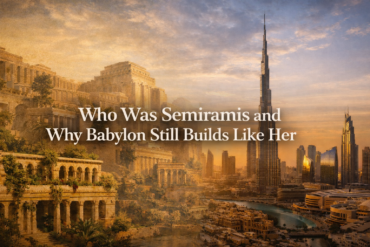
Who Was Semiramis
Semiramis is a well known figure from ancient Near Eastern history and mythology. She is often associated with leadership, city building, and large scale architectural ambition. While historical records and legends vary, Semiramis is commonly described as a ruler who understood the importance of planning, structure, and long term thinking.
Rather than being remembered for a single structure or moment, her legacy is tied to the idea of shaping entire cities. This broader perspective on building is why her story continues to be referenced centuries later.
Why Semiramis Still Matters Today
In modern real estate, it is easy to focus on short term outcomes such as rapid development or immediate returns. Semiramis represents a different approach. Her story emphasizes durability, purpose, and the belief that what is built today should continue to serve people far into the future.
This mindset is especially relevant in cities like Dubai, where growth happens quickly and decisions made today can define entire neighborhoods for decades.
The Connection to Babylon Vision
Babylon Vision draws inspiration from the philosophy associated with Semiramis rather than treating her as a symbol or marketing reference. The connection lies in shared principles.
The first is long term thinking. Properties are evaluated not only for current demand but also for how they will perform and remain relevant years from now.
The second is architectural intent. Design is approached as more than appearance. Layout, structure, and usability are considered together so that buildings remain functional and valuable over time.
The third is responsibility toward community. Cities are shaped by how people live within them. Thoughtful development considers daily life, movement, and long term livability rather than isolated structures.
Building With Legacy in Mind
Legacy in real estate does not mean scale alone. It means making decisions that continue to hold value. This includes selecting locations carefully, prioritizing construction quality, and maintaining transparency in how properties are presented and managed.
The idea is not to recreate the past but to apply enduring principles to modern development. This approach reflects why ancient builders are still studied today and why their work continues to influence modern planning.
Why This Philosophy Matters for Buyers and Investors
For buyers, a legacy driven approach often results in homes that age better and communities that remain desirable. For investors, it can mean steadier performance and reduced risk over time.
In both cases, the underlying principle is the same. Real estate should be built to last, not just to sell.
Frequently Asked Questions
1. Was Semiramis a real historical figure
Semiramis appears in both historical references and mythology. While details vary across sources, she is widely recognized as a symbol of leadership and large scale urban development in ancient narratives.
2. Why does Babylon Vision reference Semiramis
Babylon Vision references Semiramis as a philosophical influence. Her association with long term planning and city building aligns with the company’s approach to real estate development and property selection.
3. Is this a historical article or a brand perspective
This article combines historical context with a modern brand perspective. It does not claim historical certainty but explains how ancient ideas influence contemporary real estate thinking.
4. How does legacy focused real estate differ from trend based development
Legacy focused real estate prioritizes durability, usability, and long term relevance. Trend based development often emphasizes short term appeal that may not age as well.
5. Does this philosophy affect property value
Properties designed with long term usability and quality in mind often maintain value more consistently. While no investment is guaranteed, thoughtful planning can reduce long term risk.