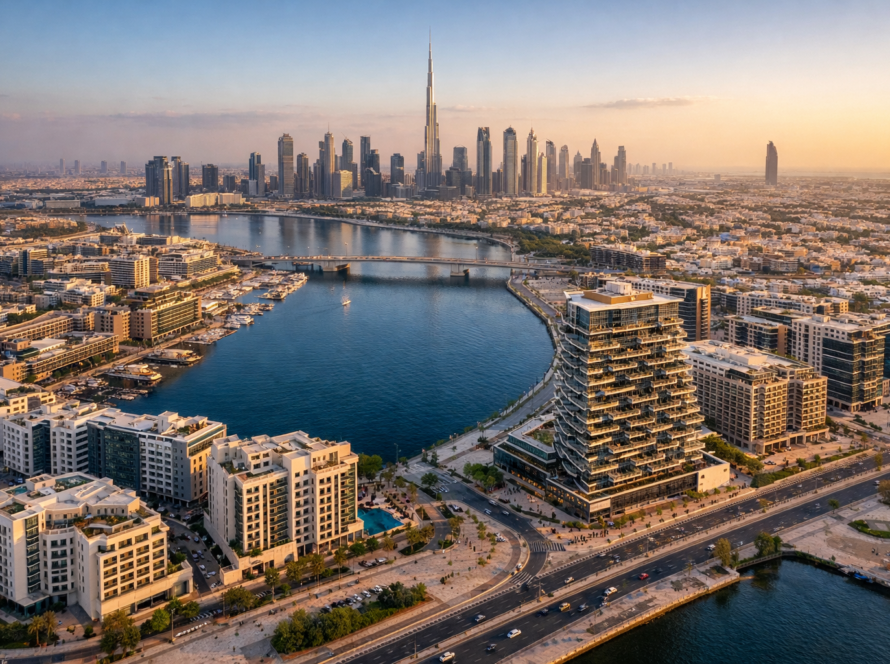
Binghatti Cullinan stands out in Dubai’s evolving skyline for reasons that go beyond visual appeal. Located in Al Jaddaf, the project reflects how architectural decisions can influence long-term value, usability, and market perception. From massing and façade treatment to spatial planning, Binghatti Cullinan illustrates how design choices contribute to durability and relevance in a competitive real estate environment.
Binghatti Cullinan and Architectural Value in Dubai
Architecture plays a measurable role in how residential developments perform over time. In Dubai, where supply is diverse and design-led projects compete for attention, architectural clarity often signals quality and longevity. Binghatti Cullinan aligns with this trend by emphasizing structure, proportion, and functional aesthetics rather than short-term visual statements.
Design Language and Urban Context
The building’s architectural language responds to its urban setting in Al Jaddaf, a district positioned between Dubai Creek and key business corridors. Its form balances prominence with restraint, allowing it to integrate into the area’s mid- to high-rise character without overpowering nearby developments.
Key design considerations include:
- Clean geometric lines that age more predictably than trend-driven forms
- A façade composition designed for light control and heat mitigation
- Visual consistency that reinforces brand recognition without excess ornamentation
Functionality as a Value Driver
Well-planned interiors often matter as much as exterior form. Binghatti Cullinan’s layout strategy prioritizes efficiency, circulation, and usable living space. These elements tend to support occupant satisfaction and reduce functional obsolescence over time.
Functional aspects that support long-term value include:
- Optimized floor plans with minimal wasted space
- Natural light access through considered window placement
- Practical separation of private and shared areas
Location-Sensitive Architecture in Al Jaddaf
Al Jaddaf’s transformation into a mixed-use residential and cultural hub has increased expectations around design quality. Binghatti Cullinan’s architecture reflects this shift by aligning with infrastructure development, transport connectivity, and proximity to waterfront zones.
Relationship Between Architecture and Surroundings
Architecture that acknowledges its surroundings often retains relevance longer. The project’s orientation and scale consider nearby road networks, views, and future urban growth. This reduces the risk of visual or functional disconnect as the district continues to develop.
Materials and Maintenance Considerations
Material selection also influences long-term performance. Durable exterior finishes and standardized structural systems can lower maintenance complexity, which indirectly supports property value by reducing long-term ownership costs.
Market Perception and Design Consistency
In established property markets, consistent architectural identity contributes to recognition and trust. Binghatti Cullinan follows a coherent design approach that aligns with broader urban planning standards in Dubai, supporting steady market perception rather than speculative appeal.
What This Means
Architectural value is rarely about boldness alone. In the case of Binghatti Cullinan, disciplined design, functional planning, and location-aware architecture work together to support long-term relevance. These factors help explain why architectural quality remains a core consideration for buyers and observers assessing Dubai’s residential developments.
FAQs
Binghatti Cullinan is defined by a structured, geometric design that prioritizes balance and functionality. Its architecture avoids excessive ornamentation, focusing instead on proportion, façade rhythm, and efficient layouts. This approach supports durability and adaptability, which are important factors in long-term residential value.
Architecture influences value by shaping usability, maintenance needs, and market perception. Binghatti Cullinan’s design emphasizes practical layouts, durable materials, and contextual integration. These elements can help sustain demand over time, which is often linked to steadier property performance in mature urban areas.
Al Jaddaf is a growing district with residential, cultural, and waterfront development. Binghatti Cullinan’s architecture reflects this setting through its scale, orientation, and urban compatibility. Designing in response to the district’s character helps the project remain relevant as the area continues to evolve.
Both factors are closely connected. While location influences accessibility and demand, architecture determines how well a building functions within that location. In projects like Binghatti Cullinan, design choices enhance the advantages of Al Jaddaf by supporting usability, comfort, and long-term adaptability.
Yes. The architectural approach prioritizes functional floor plans, efficient circulation, and materials suited to long-term use. These decisions reduce the risk of early obsolescence and support ongoing residential demand, which is a key consideration for long-term occupancy and value retention.