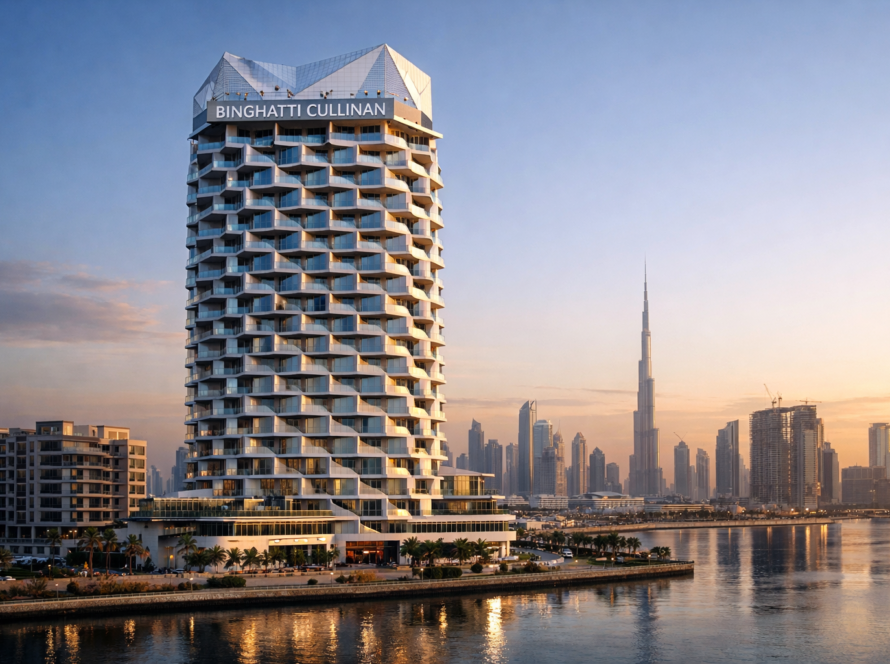
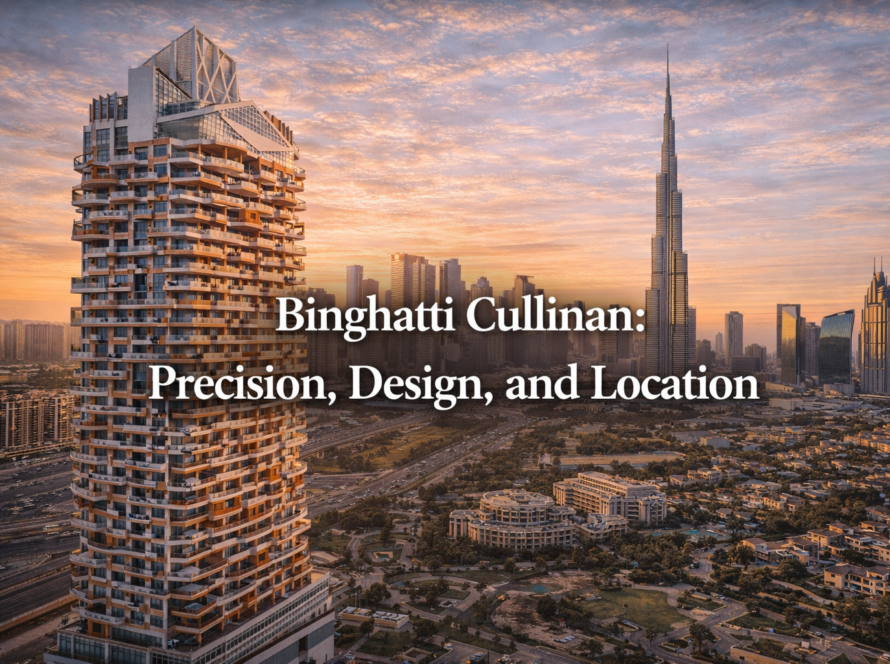
Residence Dubai options are evolving as urban priorities shift toward connectivity, functionality, and lifestyle balance. Binghatti Cullinan, located in Al Jaddaf, reflects this change by placing residential living within one of Dubai’s fastest-developing urban districts. The project sits at the intersection of culture, healthcare, transport, and business zones, making it relevant to modern city residents seeking practical access rather than distant luxury.
As Dubai continues to expand inward, Al Jaddaf has emerged as a strategic residential zone supporting long-term urban planning goals.
Al Jaddaf’s Role in Dubai’s Urban Development
Al Jaddaf has transitioned from an industrial and maritime area into a mixed-use district aligned with Dubai’s broader urban master plans. Its location along Dubai Creek positions it close to historic neighborhoods while remaining connected to newer commercial hubs.
Key characteristics of Al Jaddaf include:
- Direct access to Sheikh Rashid Road and Al Khail Road
- Proximity to Dubai Healthcare City
- Growing residential and cultural infrastructure
- Creekside development supporting sustainable land use
Urban planners increasingly view Al Jaddaf as a bridge between old and new Dubai.
Residence Dubai Trends Shaping Al Jaddaf
Why Location Matters More Than Size
In current residence Dubai trends, location has become a defining factor. Residents prioritize shorter commute times, public transport access, and nearby services over expansive layouts.
Binghatti Cullinan’s location supports this shift by offering:
- Walkable access to essential services
- Nearby metro connectivity
- Reduced reliance on long daily commutes
This aligns with Dubai’s vision of creating 20-minute neighborhoods where daily needs are easily accessible.
Connectivity to Business, Culture, and Healthcare
Binghatti Cullinan benefits from its position near major activity centers. The development is minutes away from Downtown Dubai, Business Bay, and Dubai International Airport, supporting both professional and personal mobility.
Nearby landmarks and facilities include:
- Dubai Healthcare City
- Culture Village arts and waterfront zone
- Academic City and medical institutions
- Government and commercial districts
This integration supports a balanced urban lifestyle without isolating residents from the city’s core.
Urban Lifestyle Without Central Congestion
A Practical Alternative to High-Density Districts
While central districts such as Downtown and DIFC face increasing congestion, Al Jaddaf offers lower density while remaining centrally connected. This makes it attractive for residents seeking accessibility without constant crowd pressure.
From an urban planning perspective, this helps distribute population growth more evenly across the city.
What This Means for Long-Term City Living
Binghatti Cullinan’s placement reflects a broader movement in Dubai’s residential planning—prioritizing smart growth, infrastructure access, and livability. As Al Jaddaf continues to mature, developments in the area are likely to benefit from improved transport links, public amenities, and waterfront regeneration projects.
Key Takeaways
- Residence Dubai preferences are shifting toward connectivity and function
- Al Jaddaf supports mixed-use, centrally connected living
- Binghatti Cullinan benefits from proximity to healthcare, culture, and transit
- The location aligns with Dubai’s long-term urban development strategy
FAQs
Residence Dubai options in Al Jaddaf stand out due to their central location, lower congestion levels, and proximity to healthcare, cultural, and transport hubs. The area supports practical urban living while remaining close to major commercial districts, offering a balanced alternative to more crowded central zones.
Binghatti Cullinan is located in Al Jaddaf, a developing urban district near Dubai Creek. The area connects easily to Downtown Dubai, Business Bay, and Dubai International Airport, making it strategically positioned for residents who value accessibility and reduced commute times.
development, healthcare access, and mixed-use planning support sustainable residential growth, aligning with Dubai’s broader urban and population planning initiatives.
Al Jaddaf is served by nearby Dubai Metro stations and major road networks. This allows residents to travel efficiently across the city while reducing dependence on private vehicles, supporting Dubai’s goals for integrated and sustainable urban mobility.
Location determines daily convenience, commute efficiency, and access to services. In Dubai, centrally located districts like Al Jaddaf help residents save time, reduce travel stress, and stay connected to business, healthcare, and cultural centers, making location a key factor in residential decisions.